

Your Body’s Internal Repair Kit
Platelet-Rich Plasma (PRP) is groundbreaking therapy that utilizes your own blood to jumpstart the healing of musculoskeletal injuries. PRP acts as the project manager for your existing cells. Once added to the injury, PRP can cause the release of growth factors to accelerate the recovery of tendons, ligaments, and joints. Because the material is derived entirely from your own body, PRP is one of the safest and most effective ways to address chronic pain and injuries without surgery. At $400 per injection, we offer the lowest rate in Chattanooga.
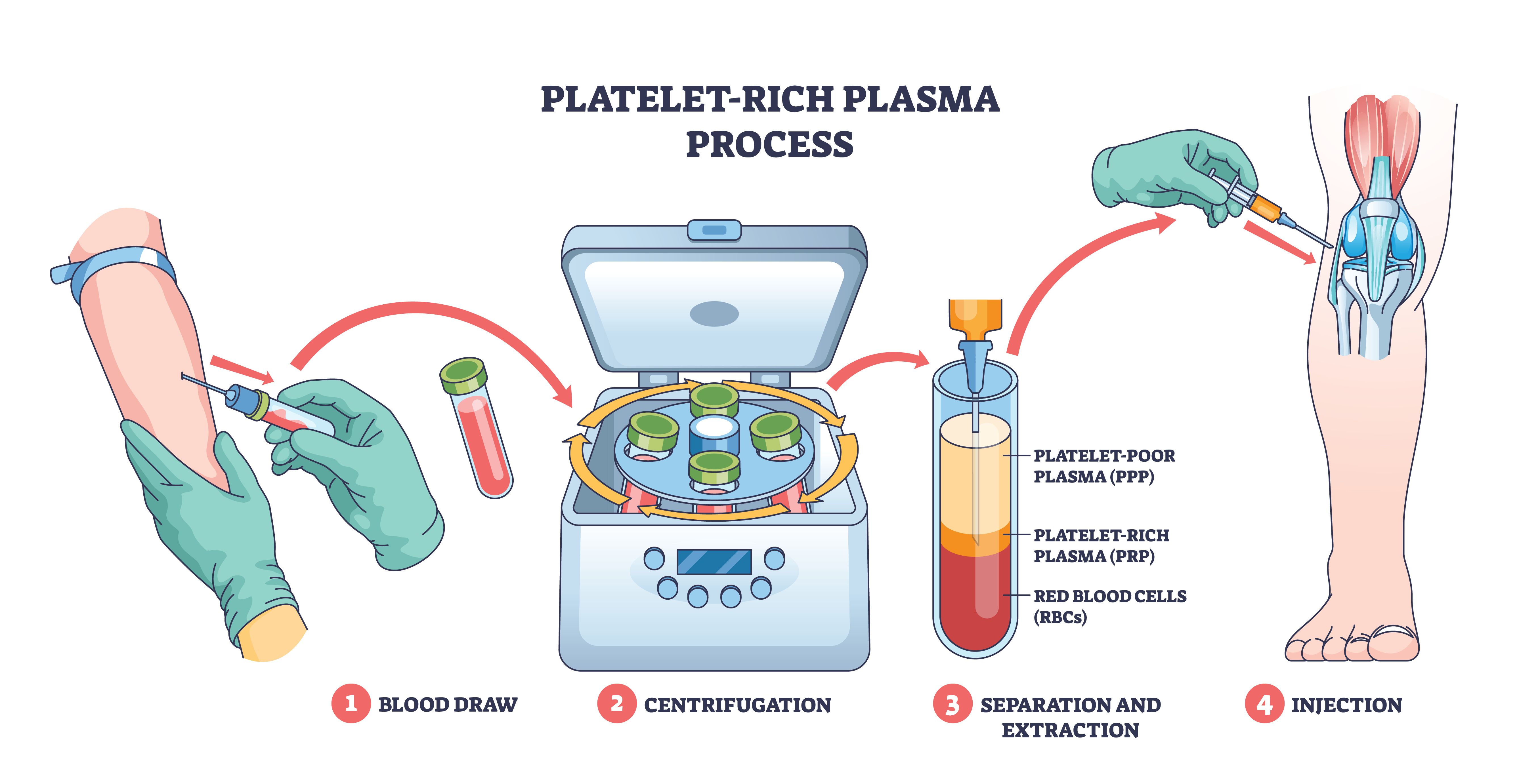
The PRP Journey: What to Expect
Before Your Treatment
The success of your PRP therapy depends on the health of your platelets, so preparation begins a few days before you walk through our doors. We ask that you stay aggressively hydrated, as this makes the blood draw easier and ensures a high-quality plasma yield. To allow your body’s natural signaling process to work unimpeded, it is vital to avoid anti-inflammatory medications (NSAIDs) like ibuprofen, naproxen, or aspirin for at least five to seven days prior, as these can "deactivate" the very platelets we are trying to concentrate. It is also important to avoid alcohol and tobacco.
On the Day of Treatment
Your appointment is a streamlined, outpatient process that typically takes about 30-45 minutes. It begins with a routine blood draw, which is then placed in our high-speed centrifuge to isolate the platelet concentrate. Once the PRP is ready, our Nurse Practitioner will use precision guidance to inject the serum directly into the target area. Most patients report only mild pressure during the injection and are able to walk out of the clinic and drive themselves home immediately following the procedure.
After Your Treatment
In the days following your injection, you may experience some localized soreness or "fullness" in the joint. Tthis is actually a positive sign that the platelets have begun the signaling process and are recruiting repair cells to the area.
- The First 48 Hours: Prioritize rest and continue to avoid NSAIDs; if you experience discomfort, a cold compress and Tylenol are generally permitted.
- Weeks 1–4: You will gradually reintroduce low-impact movement to help "circulate" the growth factors and stimulate the new fibrin scaffold.
Long-Term Healing: While some patients feel a decrease in pain quickly, the true structural repair happens over the next 6 to 12 weeks as your body builds new, stronger tissue.
How it Works
The process begins with a routine blood draw at our clinic. We then place your blood in a specialized medical centrifuge that spins at high speeds to separate the platelets from the red blood cells. This results in the concentrated serum of platelets that is 3 to 5 times stronger than what is normally found in your bloodstream. These platelets are directly responsible for healing and tissue signaling. When injected at the injury site these platelets can reduce inflammation, greatly accelerate healing, and stimulate collagen production. In some cases they can encourage stem cell activity.
1. The Alpha Granule "Cargo Ships"
Inside every platelet are hundreds of tiny storage sacs called Alpha Granules. These granules are packed with over 300 different bioactive proteins and growth factors. When we centrifuge your blood to create PRP, we are essentially concentrating these "cargo ships" so that when they are injected, they can release a massive, localized surge of healing instructions all at once.
2. Growth Factors: The Specialized Instruction Manuals
Platelets don't just "heal" generically; they release specific growth factors that handle different parts of the construction project. Here are the "Big Four" that make PRP work:
- PDGF (Platelet-Derived Growth Factor): This is the "General Contractor." It calls in fibroblasts to the injury site to begin building new connective tissue and collagen.
- VEGF (Vascular Endothelial Growth Factor): This is the "Electrician." Its job is to stimulate angiogenesis, which is the creation of new blood vessels. By bringing a better blood supply to a damaged tendon or ligament, it ensures the area gets the oxygen and nutrients it needs to survive and repair.
- TGF-Beta (Transforming Growth Factor): This is the "Quality Control." It regulates inflammation and encourages the synthesis of Type I collagen, making sure the new tissue is strong and resilient.
- EGF (Epidermal Growth Factor): This is the "Finish Carpenter." It focuses on cell growth and differentiation, ensuring the final layers of tissue are healthy and functional.
3. The "Homing" Signal for MSCs
One of the most fascinating reasons platelets work is their ability to act as a biological beacon. When platelets are activated at an injury site, they release chemokines—chemical signals that travel through the surrounding tissue to find your body's dormant stem cells (MSCs). These signals literally "shout" at the stem cells to wake up, migrate to the area, and start dividing.
4. Building the Fibrin Scaffold
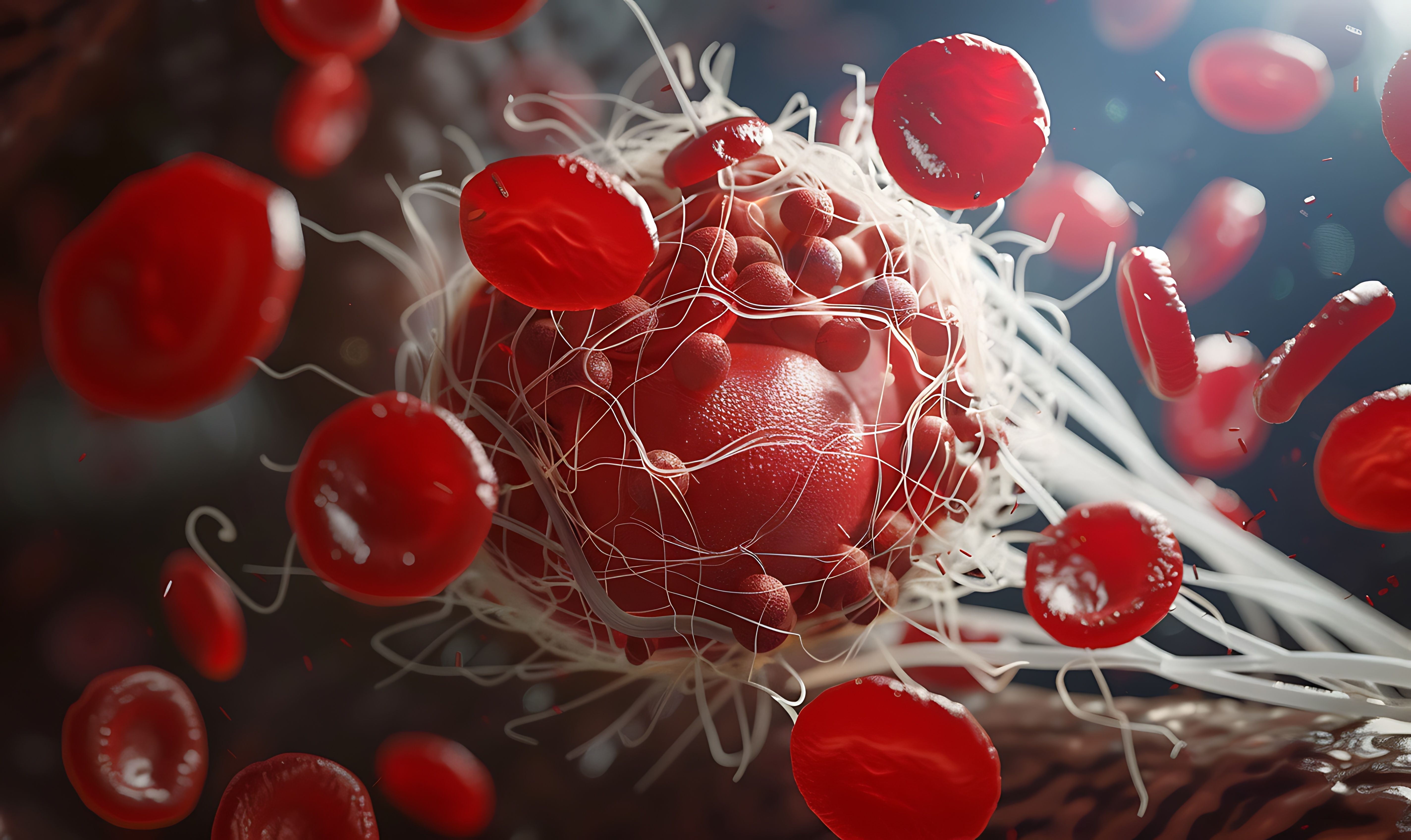
Finally, platelets don't just release chemicals; they help build a physical structure. Once they are activated, they contribute to the formation of a fibrin mesh. This mesh acts as a temporary "scaffold" or net that holds the growth factors in place and provides a surface for new cells to latch onto as they begin to rebuild your tissue.
In short: Platelets work because they provide the signal (growth factors), the recruitment (calling in stem cells), and the structure (the fibrin scaffold) all in one shot. By using PRP, we are simply taking your body's natural 9-1-1 response and turning it up to 100 in the specific area where you need it most.
Stem Cell Based Bio-Scaffolding Add On
Combining a Platelet-Rich Plasma (PRP) injection with a stem cell bio-scaffolding matrix offers a cutting-edge approach to tissue regeneration for an additional $500. The bio-scaffold matrix is a tissue engineered to mimic the extracellular matrix and is Wharton’s jelly based (umbilical cord tissue). In this advanced procedure, the bio-scaffolding acts as a physical three-dimensional micro-framework that is composed of natural extracellular matrix proteins. The bio-scaffold serves as a cellular "honeycomb" that anchors the PRP’s healing factors where they are needed most. By providing this structural support and a prolonged release of nutrients, the matrix significantly enhances the treatment. It is the most effective way to hold the PRP in the joint capsule and maximize the effectiveness of the PRP injection.
⚠️ Professional Disclosure
While the centrifugal equipment used to prepare PRP is FDA-cleared, the specific application of PRP for orthopedic use is considered an autologous procedure and has not been specifically approved by the FDA for all indications. All injections at our clinic are administered by a licensed Nurse Practitioner.